

How to Evaluate a 3PL Provider Before You Sign a Contract
Picking a 3PL logistics company isn’t just about comparing rate sheets. CPG manufacturers, appliance brands, food and beverage producers, and building materials suppliers all bet that freight gets where it needs to go on time, whether that’s a retail shelf in Tampa or a distribution center off the I-4 Corridor. Florida’s retail market doesn’t wait around, and a provider that can’t keep up ends up costing more than it saves. Star Distribution Systems, Inc. has served that market since 1931, running warehousing and transportation out of its Central Florida facilities.
So what actually separates a dependable 3PL provider from one that just sounds good in a sales pitch? This blog looks at the services worth checking for, the specific challenges of distributing into Florida, and the questions to ask before signing a contract.
People Also Ask
What does a 3PL logistics company actually do?
It handles the warehousing, freight transportation, and delivery that would otherwise sit on the client’s own supply chain team.
What makes Florida a unique market for distribution?
Its coastal population spread and seasonal demand swings call for a provider with route flexibility and strong regional know-how.
Why Florida Distribution Needs a Different Kind of Partner
Moving freight into Florida is not the same as moving it through the Midwest or along the East Coast corridor. The state’s retail base spans Central Florida, the Gulf Coast, and the Atlantic side, with Plant City and Lakeland at a practical midpoint along the I-4 Corridor between Tampa and Orlando. A Florida logistics company operating from that corridor reaches a large share of the state’s retail accounts without the extra transit time out-of-state carriers absorb into every load.
Seasonal demand spikes and the density of retail accounts in the region also mean a provider needs more than trucks. A Florida logistics company needs warehousing, scheduling discipline, and people who understand how Florida retailers actually receive freight.
What an Asset-Based Model Actually Changes
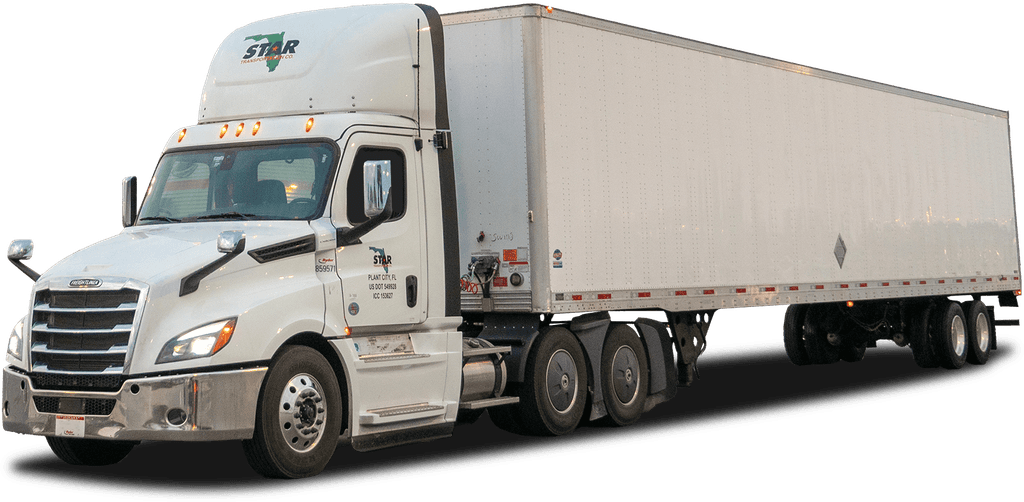
Star Distribution Systems owns its warehousing and transportation fleet, equipment, and workforce directly, rather than arranging capacity through a network of outside carriers. That asset-based structure means fewer handoffs from when a shipment leaves a manufacturer to when it reaches a retail backdoor.
Full truckload freight brokerage management is still part of what Star offers, so the asset-based model is a differentiator, not an absolute claim. The difference shows up most in daily operations: when warehousing, consolidation, and delivery sit under one roof, one point of accountability replaces several.
The Core Services Worth Evaluating
When comparing a 3PL logistics company, it helps to look past general claims and ask which specific services are available in-house:
- LTL Freight Consolidation: combining smaller shipments to reduce per-unit transportation cost.
- Cross-Docking: moving freight inbound to outbound with minimal storage time, shortening the path to retail shelves.
- Pool Distribution: consolidating freight from multiple shippers bound for the same region, common for CPG and appliance brands.
- Food Grade Warehousing: storage that meets the handling and sanitation requirements food and beverage manufacturers need.
- Order Fulfillment: pick, pack, and shipping support for businesses that need inventory managed beyond basic storage.
Star Distribution Systems operates more than 1.5 million square feet of food-grade and general commodity warehousing from its Central Florida facilities, giving clients room to scale without juggling multiple vendors for storage and transportation.
Reliability Matters More Than the Lowest Rate
Many assume most 3PL providers are interchangeable and that price should decide the contract. In practice, reliability and consistent execution tend to matter more over time than a marginally lower rate. A provider that misses delivery windows or mishandles retail compliance can cost a client more in chargebacks and lost shelf space than any freight savings. A company that has maintained client relationships for decades has typically done so by solving problems before they reach the retailer, not by competing purely on cost.
Choosing a Partner, Not Just a Provider
Picking a 3PL logistics company in Florida comes down to more than who quotes the lowest rate. It comes down to whether that provider actually owns the trucks and warehouse space it talks about, knows the state’s distribution quirks firsthand, and shows up the same way for every client, every time. That’s the track record Star Distribution Systems has built over decades, by solving problems before they ever reach the retailer.
If you’re weighing options for your Florida distribution, contact Star Distribution Systems team about what warehousing, transportation, and fulfillment could look like for your supply chain.
Frequently Asked Questions
What industries does Star Distribution Systems typically serve?
Star works with CPG manufacturers, appliance brands, retail companies, building construction suppliers, food and beverage producers, chemical companies, and paper goods manufacturers.
Does Star Distribution Systems only handle full truckload freight?
No. As a Florida logistics company, Star offers LTL freight consolidation, cross-docking, pool distribution, food grade warehousing, and order fulfillment, in addition to full truckload freight brokerage, giving clients options depending on shipment size and timing.